Craving a neighborhood where you can start your day with a great coffee, stroll through galleries at lunch, and meet friends for dinner without getting in the car? Miami’s Design District delivers a high-style, walkable lifestyle that blends art, fashion, and food on compact, pedestrian-friendly blocks. If you are relocating or eyeing a condo nearby, you likely want to know how daily life works on the ground. In this guide, you will learn what is truly walkable, where to find groceries and green space, how transit and parking work, what housing looks like around the district, and key practical tips on insurance and flood risk. Let’s dive in.
What the Design District feels like
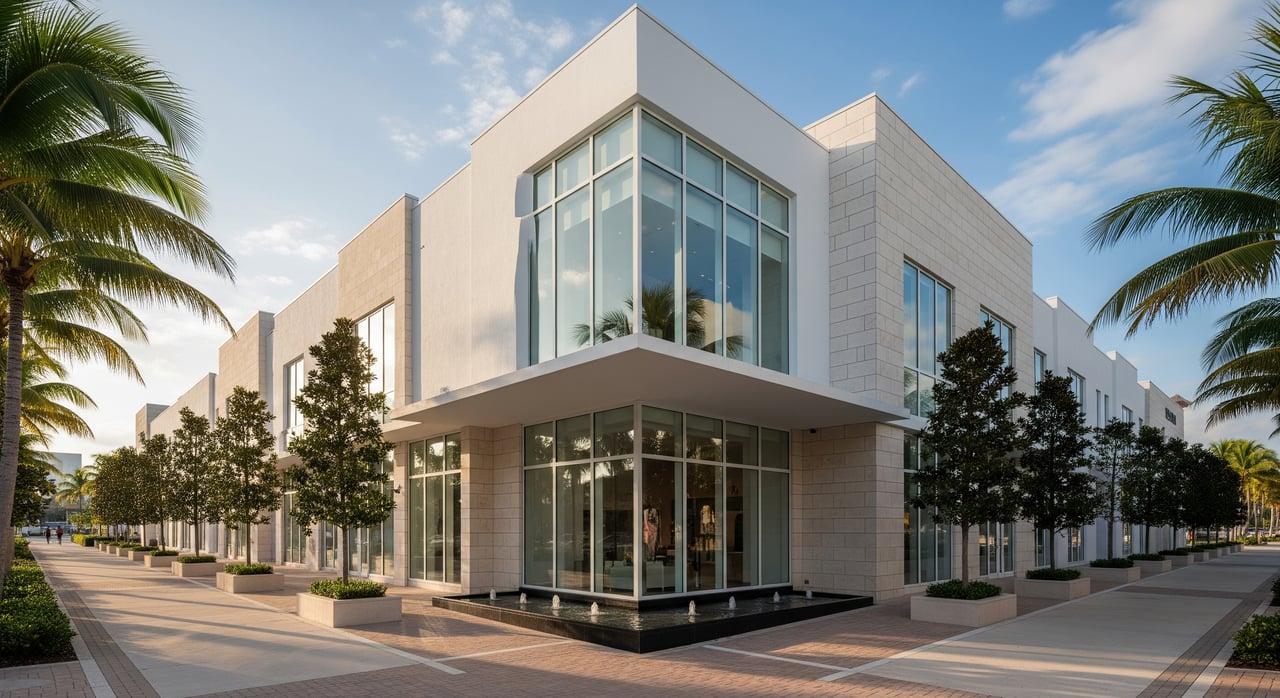
The Design District is a curated commercial and cultural hub where luxury fashion, contemporary art, showrooms, and restaurants are woven into plazas and pedestrian courtyards. Public art, striking architecture, and short blocks make strolling part of the experience. The area hosts frequent events and pop-ups that keep the streets active into the evening.
An anchor of the arts scene is the Institute of Contemporary Art, Miami. You can explore exhibitions and programming directly through ICA Miami. For retail and cultural calendars, the official Miami Design District website is the best starting point.
Daily convenience on foot
Coffee, dining, and nightlife
You will find everything from casual cafes and fast-casual counters to chef-driven restaurants and destination bars. Many spots are popular on weekends, so reservations can help for peak times. The result is simple: everyday convenience during the week and big-night energy when you want it.
Groceries and essentials
Within the district core, full-service grocery options are limited. Most residents rely on nearby supermarkets in Edgewater and Midtown for weekly shopping, using either a short drive or delivery. Inside the district, boutique food shops, bakeries, and convenience stores cover quick grabs and last-minute items.
Fitness and services
Boutique fitness studios and yoga are common in and around the district. Larger gyms, medical and dental offices, and childcare are more concentrated in adjacent neighborhoods. Plan on short trips to Edgewater, Midtown, Buena Vista, or the Upper Eastside for many of these services.
Arts, retail, and culture
Luxury fashion houses, design showrooms, and watch and jewelry boutiques sit alongside independent designers. The district is not a traditional mall. It is a flagship destination where retail, architecture, and art overlap. Public installations and gallery events are frequent, and ICA Miami provides a consistent cultural anchor with rotating exhibitions.
For current happenings and store openings, check the official Design District listings and events.
Parks and outdoor time
Expect intimate plazas, shaded courtyards, and art-forward spaces ideal for strolling, people-watching, and outdoor dining. For larger parks, open lawns, or a waterfront jog, you will head a short distance to the bayfront and neighborhood parks in Edgewater and nearby areas. Citi Bike stations and scooters make these quick trips easy. View coverage and real-time docks on the Citi Bike Miami station map.
Getting around without a car
Transit basics
There is no Metrorail or Metromover station inside the district. The closest rapid-transit hub is to the south near the Adrienne Arsht Center area, roughly about a mile depending on your starting point. Several Miami-Dade Transit bus routes run along nearby corridors, including Biscayne Boulevard. Check current routes and schedules on Miami-Dade Transit.
Driving and parking
The district connects quickly to Biscayne Boulevard, I-195, and I-95. Parking includes public garages, private retail garages, and valet. Street parking exists but can be limited during peak times. Most condo and townhome buildings include at least one assigned space, and HOA rules vary by building.
Rideshare and micromobility
Rideshare is a go-to for residents and visitors, especially at night or for first and last mile connections to transit. Citi Bike and e-scooters allow quick hops to parks, supermarkets in Midtown, or a friend’s place in Edgewater.
Housing options nearby
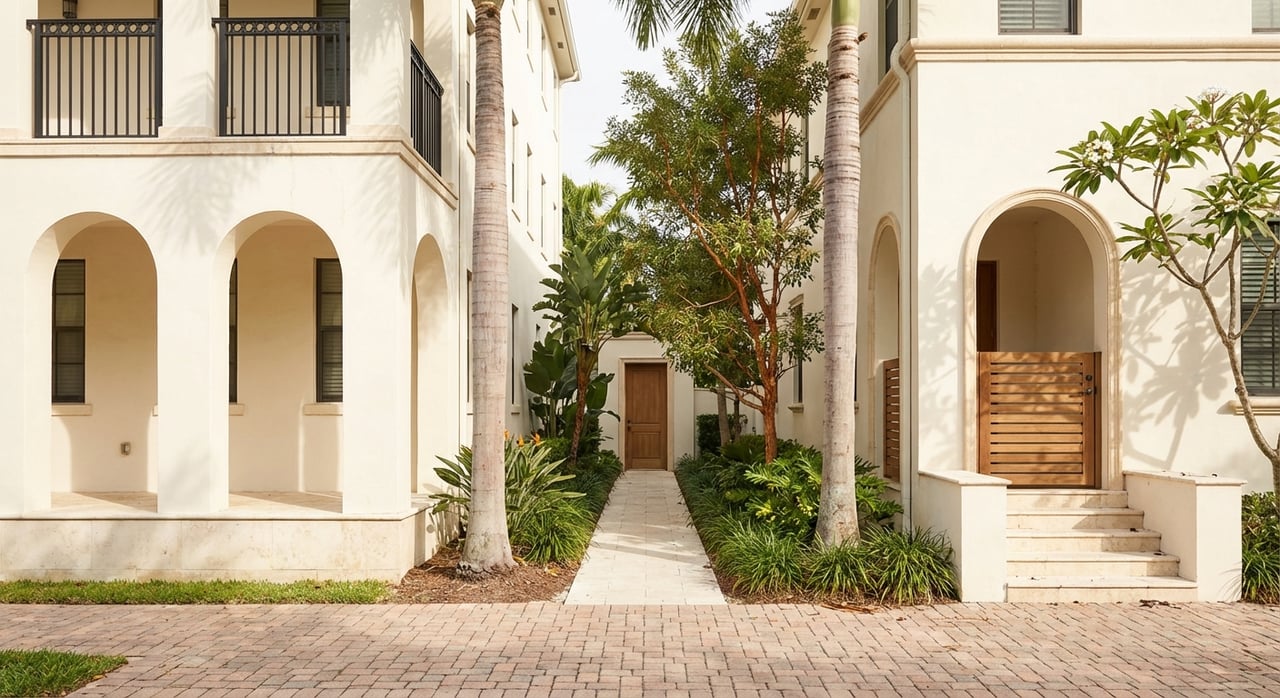
Residential supply inside the Design District core is limited and tends to be boutique in scale, including condos or loft-style units within mixed-use buildings. Many buyers focus on adjacent neighborhoods that match the district’s lifestyle while offering more housing choice.
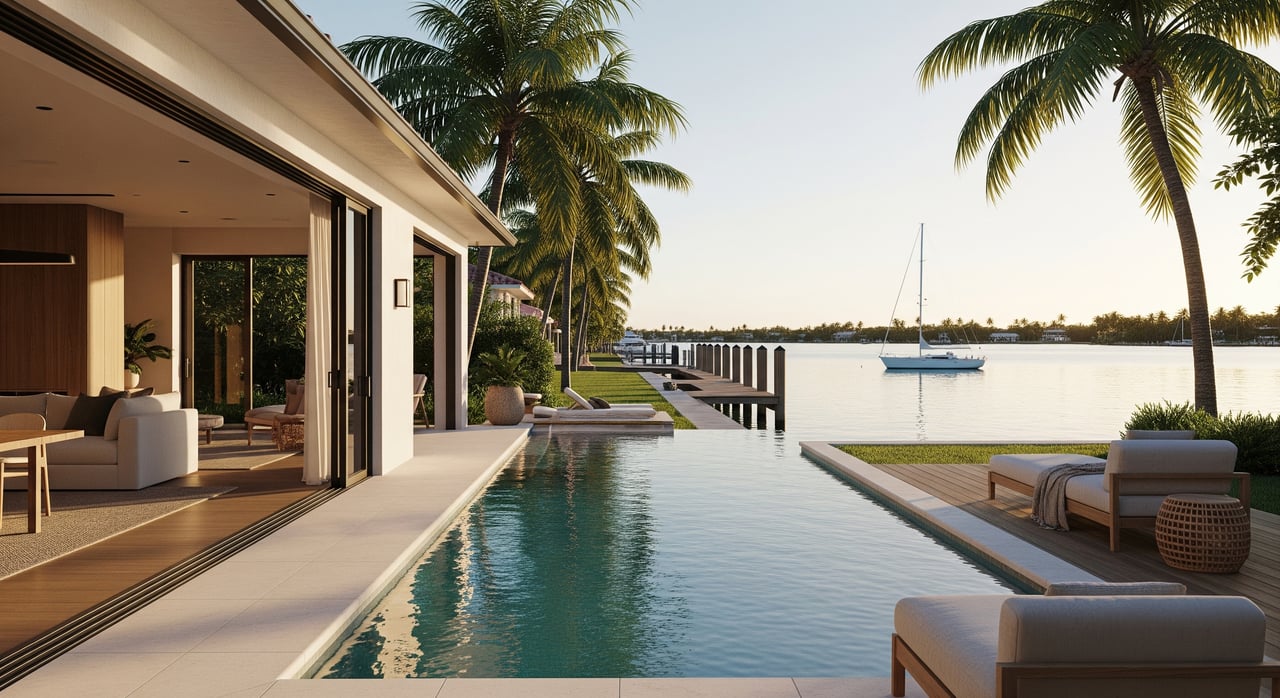
- Edgewater: high-rise condos, often newer, with bay views and extensive amenities.
- Wynwood: lofts, warehouse conversions, and newer mixed-use buildings with a creative vibe.
- Buena Vista and the Upper Eastside: historic homes, townhomes, and smaller condo buildings in quieter residential settings.
- Midtown: mixed-use condo and rental buildings steps from larger supermarkets and everyday retail.
What to expect in condos and townhomes
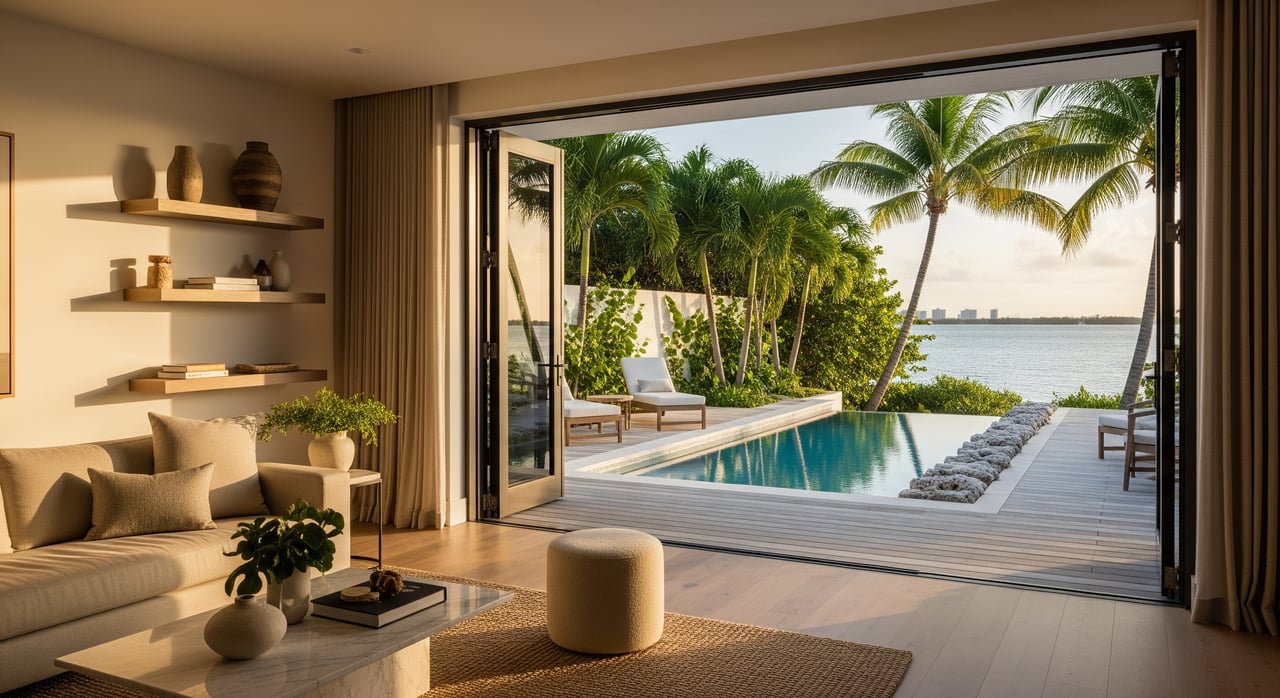
Many newer properties emphasize design and finishes, with tall ceilings, large windows, and amenity packages that can include concierge, fitness, pool, and covered parking. Luxury buildings often carry higher monthly HOA fees that reflect services and security. In older buildings or loft conversions, verify whether parking is deeded and confirm elevator access and building systems.
Pricing in and around the district tends to run above broader Miami-Dade averages, reflecting the central location, luxury retail environment, and cultural draw. Rental demand is strong for both short and long terms, which can create pricing volatility in fast-moving market cycles.
Practical considerations
Flood risk and insurance
Miami has elevated coastal flood risk and localized flooding during heavy rain. Your exact risk depends on location and elevation. Before you commit, review the FEMA Flood Insurance Rate Maps and request elevation certificates when applicable. Start with the FEMA FIRM viewer and Miami-Dade’s flood zone information. Flood and wind coverage are common parts of ownership costs.
Hurricane readiness
Many newer or renovated buildings include hurricane-impact glass, elevated mechanical systems, and storm protocols. Ask about the building’s mitigation features, historical storm performance, and any special assessments tied to resilience upgrades.
HOA fees and assessments
Amenity-rich buildings can have substantial HOA dues that affect carrying costs. Review budgets, reserves, and the history of special assessments. Confirm what your fees cover, including parking, security, and on-site services.
Safety and security
The district has significant retail and private security presence. As with any urban area, conditions can vary by block and by time of day. Review recent precinct reports and speak with building management about access controls and after-hours policies.
Schools and family logistics
There are limited on-site school options within the Design District itself. Families typically evaluate zoning for nearby neighborhoods through Miami-Dade County Public Schools and factor in commute times. Many childcare and family services are located in surrounding areas, which can be a short drive or bike ride away.
A day in the district
- Single professional: coffee and a morning walk through plazas, lunch at a casual spot, an afternoon gallery visit, a quick workout at a nearby studio, then a late dinner at a chef-driven restaurant.
- Family: morning errands and coffee, a short drive to a Midtown or Edgewater supermarket for the weekly haul, afternoon playtime at a nearby park or bayfront path, then an easy dinner at home or a relaxed neighborhood restaurant.
Who the Design District fits
Choose the Design District if you want a walkable, design-forward lifestyle where galleries, dining, and boutiques are part of your daily routine. You will trade immediate access to a large supermarket or big open park for a compact, curated urban experience, with quick connections to those larger needs in adjacent neighborhoods. If that balance sounds right, the district and its nearby residential pockets can be a great fit.
Ready to explore condos, townhomes, and the best adjacent blocks for daily convenience? Jessica Deaunovich can help you weigh HOA costs, insurance considerations, and commute logistics, then match you to the right building and neighborhood. Let’s connect and start your neighborhood search.
FAQs
Is Miami’s Design District walkable for daily needs?
- Yes for coffee, dining, galleries, and shopping. For full weekly groceries and larger family errands, most residents use nearby supermarkets in Edgewater or Midtown, or arrange delivery.
How do grocery runs work if I live near the Design District?
- Plan quick trips to supermarkets in Edgewater or Midtown by car, bike, or rideshare. Use in-district specialty shops for quick items between major grocery runs.
What public transit options serve the Design District?
- There is no on-site Metrorail or Metromover station. Several bus routes run nearby, and the closest rapid-transit hub is near the Adrienne Arsht Center area about a mile south. Check Miami-Dade Transit for routes and schedules.
What types of homes are near the Design District?
- Expect limited boutique units within the core and more options nearby: Edgewater high-rises, Wynwood lofts and mixed-use buildings, Midtown condos, and townhomes or smaller buildings in Buena Vista and the Upper Eastside.
How should I evaluate flood risk before buying near the Design District?
- Review your property’s FEMA flood zone and elevation, request an elevation certificate if applicable, and confirm insurance requirements. Start with the FEMA FIRM viewer and the Miami-Dade flood zone page.