Love the romance of red tile roofs, arched doorways, and sunlit courtyards? If Coral Gables is calling, you are not alone. Owning a historic home here feels special, but the rules and maintenance are different from a newer property. In this guide, you will learn how historic designation works, what you can change, typical timelines, and smart steps to take before you buy. Let’s dive in.
Why Coral Gables homes matter
Coral Gables grew in the 1920s as a planned community shaped by George Merrick’s vision. The city’s Mediterranean and Spanish Revival architecture gives it a cohesive, timeless look. That character is a big reason for local preservation rules and design review.
As a buyer, this context helps you understand why exterior changes are carefully reviewed. The goal is to keep the neighborhood’s scale, materials, and streetscapes consistent while allowing thoughtful updates.
Historic designation basics
Historic designation can be local, state, or federal. Each level offers different effects and incentives, and they do not all regulate your day-to-day choices.
- Local designation is the most important for you. It is what enables the city to review exterior work, additions, and demolition.
- Federal National Register listing is mostly honorary for private owners unless federal funds or permits are involved. It can open tax incentives for income-producing properties.
- State recognition varies by program and often functions like the federal level with recognition and possible incentives.
What local rules cover
Local designation typically regulates changes that are visible from the street. Expect review of roofing, windows, doors, porches, and exterior finishes. Fences, significant landscaping, and lighting visible from the public way can also be covered.
Additions and new construction must be compatible with the home and the district. Review focuses on scale, massing, setbacks, materials, and the rhythm of openings.
Demolition or moving a designated home usually faces rigorous review and sometimes delay provisions. Purely interior work is typically not regulated unless interiors were specifically designated, which is less common.
What you can change outside
You can usually repair and maintain in-kind without heavy review, especially if you match the original materials and appearance. Replacement with different materials, like swapping wood windows for vinyl, often triggers a closer look and may be disallowed.
For storm-hardening, many programs allow historically compatible solutions. You can often meet Florida Building Code for wind and impact while preserving the home’s look. Work with city staff early so you align safety, code, and character.
Permits and COAs explained
Before a building permit issues for exterior work, you may need a Certificate of Appropriateness. This step confirms your plans meet local preservation standards.
Here is the typical workflow:
- Pre-application chat with staff: Bring concept sketches and photos. Early feedback helps you avoid rework.
- Application submittal: Provide drawings, photos, and material samples.
- Staff review: Staff may approve minor work administratively or write a report with conditions.
- Public notice and hearing: Larger projects often go to a Historic Preservation Board hearing.
- Decision and permits: After approval, you move to building permits. COA conditions become permit conditions.
Timelines vary by scope. Simple administrative approvals can take weeks. Board hearings and complex additions may take months. Demolition and major infill projects typically take the longest. Appeal routes exist if approvals are denied or conditioned.
Mediterranean features to expect
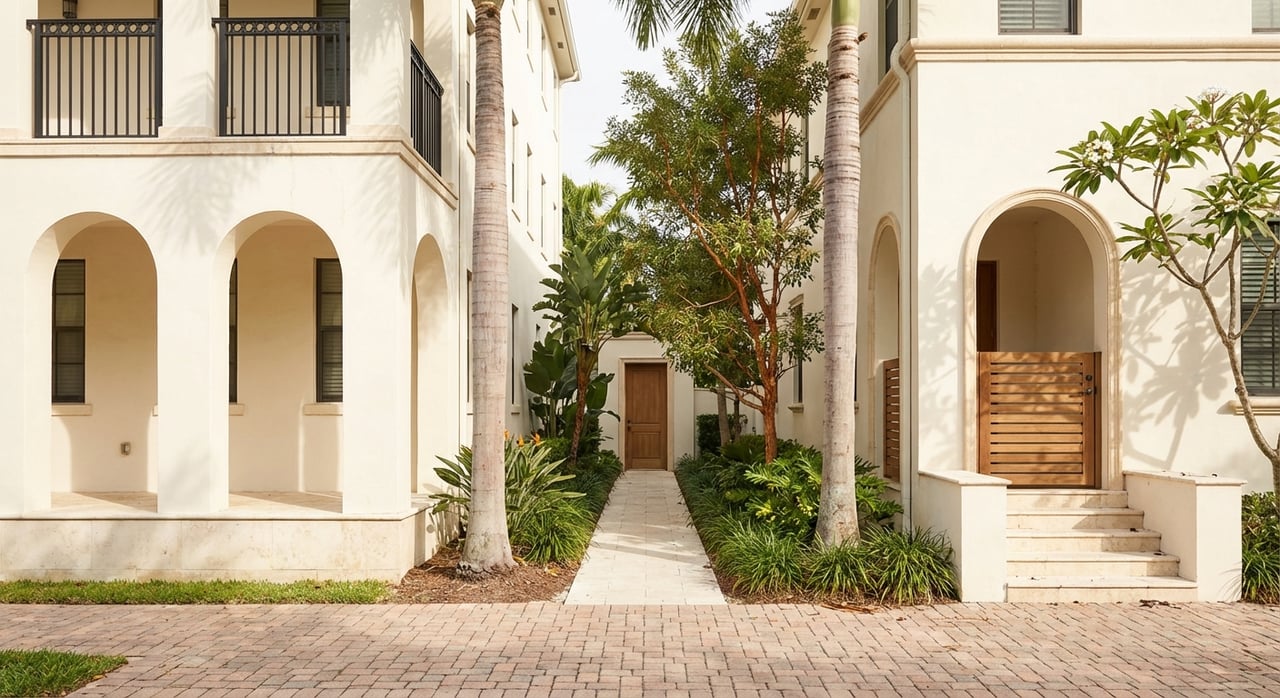
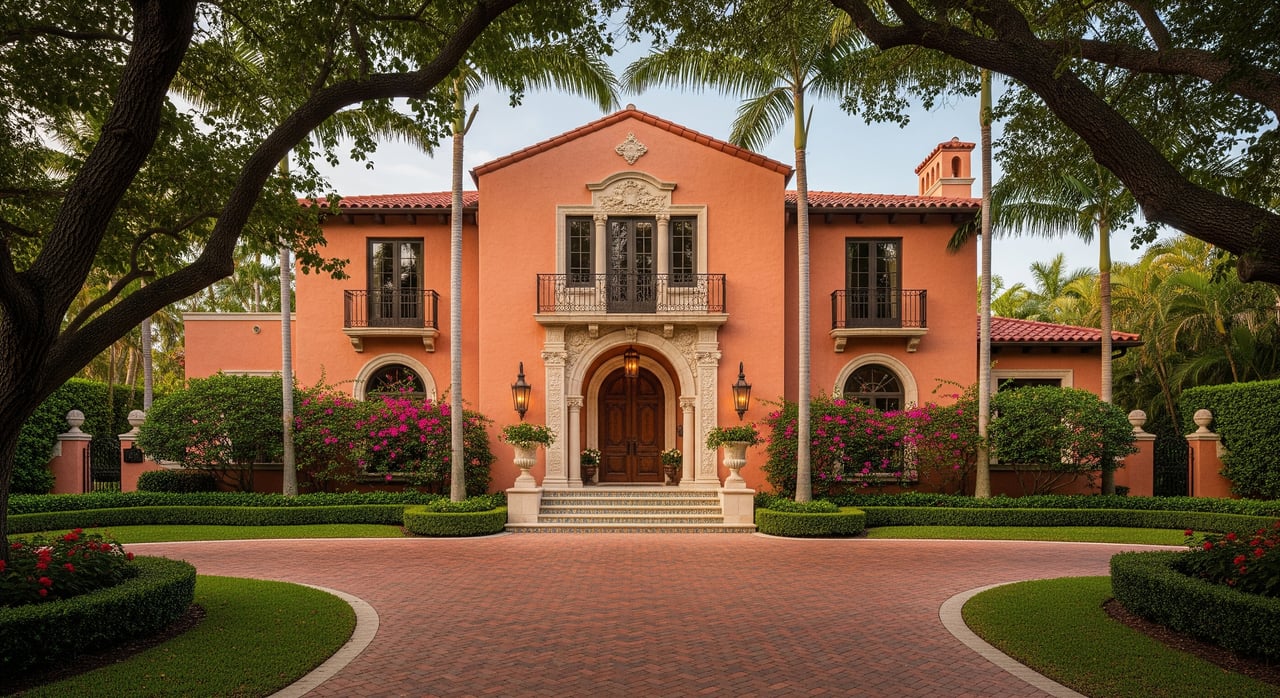
Coral Gables Mediterranean and Spanish Revival homes share signature elements you will likely encounter:
- Stucco exterior walls over masonry
- Low-pitch roofs with clay barrel tiles
- Arched windows and doors, arcades, and colonnades
- Decorative tilework on stairs, fountains, and entries
- Wrought-iron railings, grilles, and hardware
- Heavy wooden entry doors, loggias, and courtyards
- Small, divided windows or multi-paned wood windows and Juliet balconies
- Landscaped courtyards, fountains, shade trees, and Mediterranean plantings
- Period interiors like terrazzo or tile floors, beams, and ornamental plaster
These features create the charm you see from the street and are often the focus of design review.
Maintenance and upgrades to plan for
Historic Mediterranean features are durable but need specialized care, especially in South Florida’s climate.
- Roofs: Clay tiles can last, but underlayment and flashing need periodic replacement. Expect to address cracked or slipped tiles and plan for impact-rated solutions that meet wind codes.
- Stucco: Cracks can indicate moisture or settlement. Repairs should match the original texture and thickness so finishes blend.
- Windows and doors: Original wood units may not be impact-rated. You may be able to repair or replace with historically compatible impact options that meet building code and preservation guidelines.
- Moisture and structure: High groundwater, termites, and salt air can affect foundations and wood elements. A structural engineer may be wise if you see settlement or significant changes.
- Systems: Electrical, plumbing, and HVAC in 1920s to 1940s homes may be outdated. Upgrades are common and improve comfort and safety.
- Materials sourcing: Matching tiles, stucco mixes, or custom ironwork can take time and increase cost. Build this into your schedule and budget.
- Insurance: Specialty materials and hurricane exposure can raise premiums. Work with insurers experienced in historic properties for realistic quotes.
Repairs that replicate the original look are usually encouraged and can be faster to approve. Changes that alter the visual character are more likely to trigger full review.
Practical buyer checklist
Do these steps before you write an offer:
- Confirm the property’s status. Ask if it is locally designated, in a local historic district, or only on the National Register. Verify with the city’s preservation staff.
- Request documentation. Ask for past COAs, historic surveys, restoration records, permits, and contractor invoices for exterior work.
- Order specialist inspections. Use inspectors familiar with historic masonry, stucco, tile roofs, and wood structures. Add a structural engineer if settlement or major repairs are suspected.
- Review flood risk and elevation. Check FEMA flood maps and request any elevation certificates.
- Verify past work. Confirm that previous alterations were permitted and that no unpermitted exterior work remains.
- Ask about demolition protections. Understand any local moratoria or review triggers affecting the property.
Questions for the seller and agent
- Is the home under local historic designation or within a local historic district? Can you share the designation details?
- Were any COAs issued for recent exterior work? May I review the files?
- Are there known restrictions on roofing, windows, exterior color, fences, landscaping, or lighting?
- Have there been recent inspections for roof, structure, moisture, or termite issues?
- Are there existing conditions or city-ordered mitigation requirements?
Questions for the city
- Do I need a COA for windows, roof work, new fences, or paint changes?
- What are typical timelines for minor repairs versus major additions?
- Are there preservation incentives, grants, or technical assistance programs available?
- Are there specific design guidelines for Mediterranean or Spanish Revival homes?
Financial and insurance planning
Budget for premium items like tile roofs, custom windows, and specialty finishes. These materials and skilled labor can cost more and take longer to procure.
If the property is income-producing, explore whether federal rehabilitation tax credits could apply. Owner-occupied primary residences do not qualify for the federal program. Ask city or state preservation staff about any local or state incentives, which can change over time.
Get insurance quotes early. Underwriters familiar with historic properties can help you understand replacement costs and storm requirements for your specific home.
Work with preservation-savvy pros
Choose contractors and architects with historic project experience in Coral Gables. Familiarity with the review process, materials, and local expectations can save you time and money.
For larger projects, consider hiring a preservation consultant or architect early. A seasoned pro can align your goals with the standards used by reviewers, so your plans are compatible from day one.
Verify that all professionals are licensed, insured, and clear on permit and COA requirements. You want a team that documents correctly and communicates well with city staff.
Timelines to expect
Set realistic expectations so your project stays on track:
- Initial staff conversation: 1 to 4 weeks to schedule.
- COA application prep: A few days for simple repairs to several weeks for detailed drawings.
- Staff review and possible administrative approval: About 2 to 6 weeks if eligible.
- Board hearing and public notice: Often 6 to 12 weeks or more for complex scopes.
- Building permit after COA: Another 2 to 8 weeks depending on plan review queues.
- Demolition or major infill: Several months with added community review steps.
Your exact timeline will depend on scope, completeness of your submittals, and current city workloads. Early planning and a complete package help shorten the path.
Ready to explore Coral Gables?
Owning a historic Coral Gables home is about more than architecture. It is a lifestyle rooted in design, courtyards, and a strong sense of place. With the right preparation, you can protect the home’s character while making it comfortable for today.
If you want a local guide who understands the preservation process, design details, and the market, connect with Jessica Deaunovich. Let’s map out your goals, identify the right streets and styles, and plan your next steps.
FAQs
What is a Certificate of Appropriateness in Coral Gables?
- It is city approval confirming that proposed exterior work on a designated property meets local preservation standards and is required before building permits.
Do National Register homes face local restrictions?
- Not by federal listing alone; local designation is what typically regulates exterior changes unless federal funds or permits are involved.
Can I install impact windows in a historic home?
- Usually yes if they are historically compatible and meet Florida Building Code; confirm details with city preservation staff before ordering.
Are interior renovations reviewed on historic homes?
- Purely interior work is typically not regulated unless interiors are specifically designated; building code still applies.
How long does historic review take for minor repairs?
- Administrative approvals for simple, in-kind repairs can take weeks, while larger projects often require a hearing and take longer.
What inspections should I order before buying a historic home?
- Use a general home inspector plus specialists for stucco, tile roofs, and wood structures, and add a structural engineer if you see settlement signs.